
Ammo Types Explained: A Beginner’s Guide to Bullets, Cartridges, and Shells
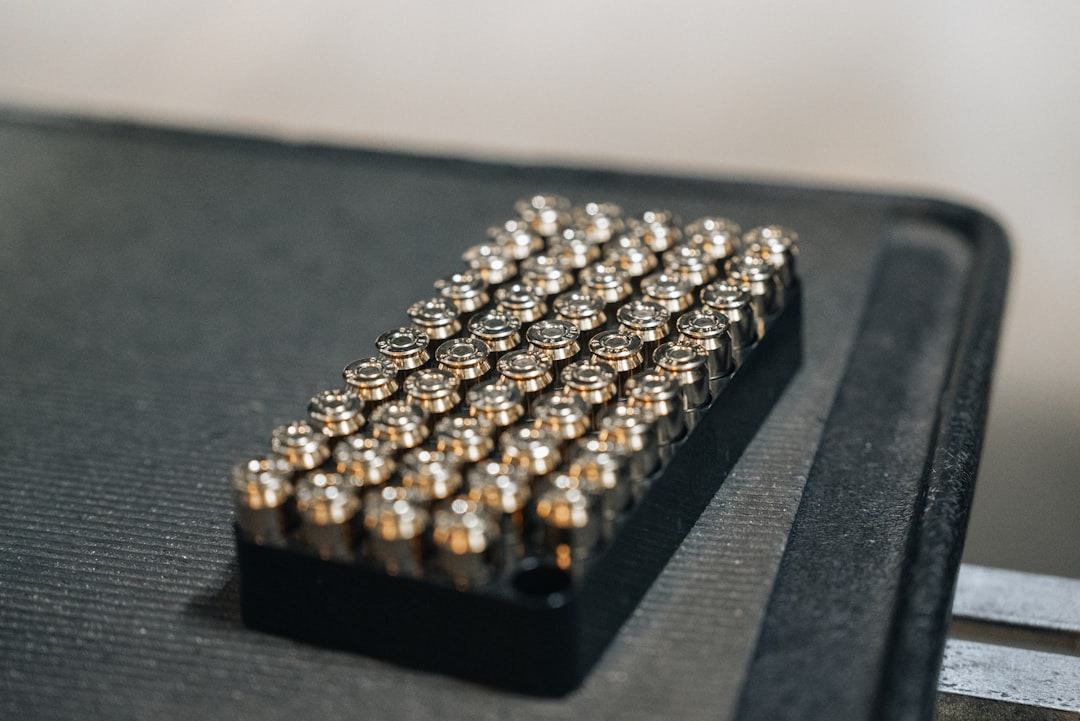
Ammunition may appear simple enough, but each type of ammo has a unique purpose. Once you get the basics down, you'll be able to select the right rounds for your firearm, whether you're shooting at the range, hunting in the field, or training for home defense.
Here's a clear, beginner-friendly guide to help you understand, select, and store your ammunition with confidence.
What Are Ammo Types, and Why Do They Matter?
In its simplest terms, ammunition refers to the case, primer, propellant, and projectile(s) that firearms use to shoot. Whether you're using a rifle, handgun, or shotgun, every round of ammunition is a self-contained system designed to deliver power and accuracy while minimizing risk to the shooter.
An understanding of the various types of ammunition is crucial because it directly affects:
- Safety: Using the wrong caliber or gauge can damage your gun or harm you.
- Performance: Different projectile designs and loads behave differently in flight and upon impact.
- Accuracy and reliability: Finding the right type of ammunition for your firearm helps ensure dependable performance.
Over time, ammunition has evolved from plain black powder and musket balls to today's precision-manufactured cartridges and shotshells that meet the requirements of modern standards for speed, accuracy, and consistency.
As a trusted, family-owned supplier, Able's Ammo is experienced in breaking down these differences and complicated specs into plain, easy-to-understand concepts. We'll assist you in comparing calibers and gauges, bullets and shot diameters, shell lengths, and even pressure variations, so you can choose confidently and shoot safely, whether you're new to the range or tweaking a specialized configuration.
What Are the Main Components of Ammunition?
Irrespective of their type, most ammunition contains four essential parts:
- Case
- Primer
- Powder
- Projectile (bullet or shot)
Each part has a specific job, and together they enable a round to fire safely and consistently.
The case is the outer shell that holds everything together. It's commonly made from aluminum, brass, or steel. Brass is especially popular because it can be reused. After a round is fired, some shooters save the empty brass case and refill it with a new primer, powder, and projectile in a process called reloading (or handloading). It also resists rust, which helps with storage.
The markings on the base (the headstamp) tell you the manufacturer and the cartridge size. How a case is built also affects how smoothly the empty case is removed from the chamber after firing and how well the ammunition holds up in long-term storage.
Primer and Firing Pin Function
When you fire, the firing pin on the gun hits the primer, a little metal cup that's packed with an impact-sensitive chemical. That burst ignites the gunpowder in the case.
There are two main types of primers:
- Boxer (found in U.S. centerfires and reloadable)
- Berdan (found more commonly in some rounds found outside the U.S.)
Seating depth and sensitivity of the primer are essential to proper ignition; mis-seating or defective primers can result in failure to fire. The controlled blast in the container produces expanding gases, which push the projectile out of the barrel and into the target. Without a functioning primer, even the best ammunition won't fire.
Propellant and Projectile
The propellant, typically smokeless powder, generates the pressure to drive the bullet or shot down the barrel. Powder comes in ball, flake, and extruded shapes; each is chosen for a burn rate that matches the cartridge and barrel so that pressure rises correctly. Safe, accurate ammo depends on proper load density (how full the case is) and consistent charges (same powder amount every round).
The projectile is what emerges from the barrel and strikes the target. In pistols and rifles, it's the bullet, which can be soft lead, jacketed, bonded, or monolithic; each design balances expansion, penetration, and weight retention. In shotguns, the projectile is either a single slug or multiple pellets (shot), selected by size for the task.
Together, these components create a balanced system in which precision engineering governs accuracy, recoil, and performance.
How Do Bullets, Cartridges, and Shells Differ?
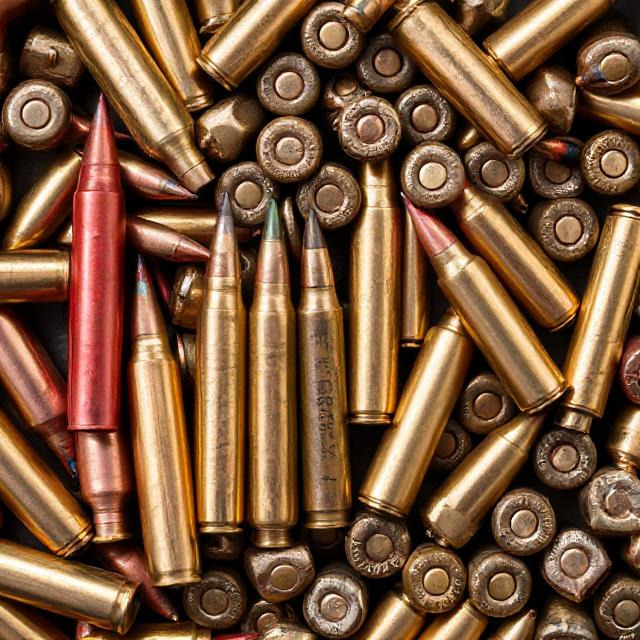
The words "bullet," "cartridge," and "shell" are used somewhat interchangeably, though they're talking about different components of ammunition.
Bullets
A bullet is the actual projectile that's discharged from a firearm. It does not contain powder or casing. Bullets come in many varieties and range the gamut based on purpose:
- Full metal jacket (FMJ): A lead core encased in a copper jacket; good for target practice and training due to cost savings and reliable feeding
- Hollow point rounds: Expands upon impact to deliver the most stopping power with less chance of over-penetration; widely used for self-defense
- Soft point bullets: Have exposed lead tips that expand moderately, so they have balanced penetration and expansion, which is often great for hunting
- Armor-piercing rounds: Made with hardened cores for deep penetration; banned for most civilian use
Bullet design will affect flight stability, recoil, and transferring energy, so selecting the right one for your application is important.
Cartridges
A cartridge (or "round") is the complete unit of rifle or handgun ammunition. It consists of a case, primer, powder, and bullet. Cartridges are commonly described by caliber, which is bullet/bore diameter expressed in inches (e.g., .45 ACP) or millimeters (e.g., 9mm).
There are two broad categories:
- Rimfire:
- Primer chemical is incorporated into the rim of the casing.
- Often found in low-pressure rounds like .22 LR. Other rimfire cartridges include 22 WRF ammo, which is commonly used in compatible legacy firearms.
- Good for beginners and inexpensive target practice.
- Centerfire:
- Primer is located in the middle of the base.
- Used in most modern handgun and rifle cartridges.
- Handles higher pressures.
- Generally delivers more power than rimfire.
- Allows spent cases to be reloaded.
Shells
Shotgun shells differ from cartridges in that they incorporate plastic hulls along with metal bases and are made for firing shot (many pellets) or a slug (single large projectile).
Principal differences include:
- Gauge: Determines bore size (inside diameter of the barrel). Lower number = bigger bore (12ga > 20ga).
- Shell length: Typical lengths are 2¾", 3", and 3½". Longer shells hold more powder and shot, increasing recoil and potentially increasing range.
- Shot size: Refers to pellet size. The lower the number, the larger the pellet (e.g., #8 is common for clays, #6-#8 for many upland birds, #2/#4 for waterfowl with non-toxic shot, and 00 buckshot is a common defensive load; always follow local laws).
Shotguns are amazingly versatile, with uses that vary from hunting in a duck blind or deer stand to home defense.
What Are the Most Common Ammo Types by Firearm?
Different firearms require different types of ammunition. The following is an explanation of some common types and uses.
Handgun Ammunition
Common calibers include 9mm, .45 ACP, and .40 S&W.
- 9mm: Best balance of recoil, capacity, and cost; often used for practice and home defense.
- .45 ACP: Bigger bullet with impressive stopping power at lower speed.
- .40 S&W: Middle ground between 9mm and .45 ACP; used by some police departments.
For target shooting, FMJ is usually ideal. For self-defense, consider employing hollow-point rounds for controlled expansion. Shooters with surplus military pistols like the TT-33 or CZ-52 will want to browse our 7.62 Tokarev ammo selection, known for its exceptional high-velocity performance.
Rifle Ammunition
Some of the top-selling rifle calibers are .223 Remington / 5.56 NATO, .308 Winchester, 6.5 Creedmoor, and .30-06 Springfield. Let's examine their key differences:
- .223 Remington / 5.56 NATO: The standard for AR-15-style rifles; rapid, accurate, and minimal recoil.
- .308 Win / 7.62 NATO: A long-range powerhouse for accuracy and hunting.
- 6.5 Creedmoor: Used for precise ballistic performance and less recoil.
- .30-06 Springfield: Old standby that can be relied upon for big-game hunting.
Remember that while rifle ammunition offers greater velocity and range than handguns, you must only use the exact cartridge your firearm is marked for. This designation, also known as its chambering, can be found in your firearms manual and is often shown on the side barrel/slide. Browse our HSM Ammunition selection for rifle cartridges built to SAAMI specs. Collectors shooting vintage platforms like the M1 Carbine will want to stock up on 30 Carbine ammo.
Shotgun Ammunition
Shotguns use birdshot, buckshot, or slugs, with each serving a unique purpose:
- Birdshot: Small pellets in large quantities; suitable for clays, upland birds, or small game.
- Buckshot: Large-pellet home-defense rounds or medium-game application.
- Slugs: An excellent type of ammunition for big game or deer hunting.
Of the three, choose according to target size, preferred range, and spread pattern.
How Do Bullet Types Affect Performance and Purpose?
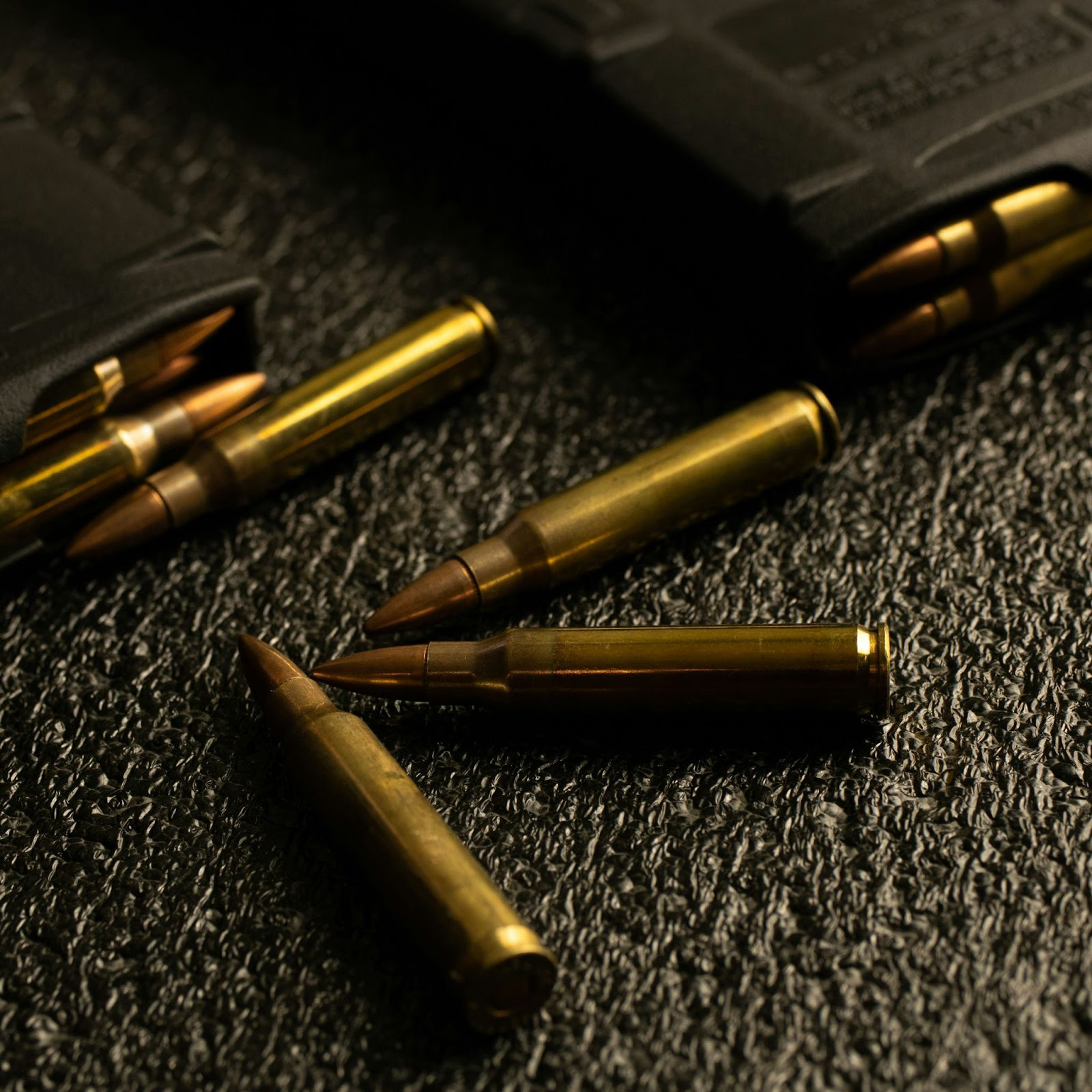
The size and material of a bullet influence its accuracy, recoil, and impact behavior.
| Bullet Type | Best Usage | Performance |
| FMJ | Target practice/training |
|
| Hollow Point | Self-defense |
|
| Soft Point | Big game hunting |
|
| Armor Piercing | Military/restricted |
|
The proper bullet type maximizes your results, whether that means close clustering on a target at the range or effective, humane performance in the field.
How Do You Choose the Right Ammo Type for Your Needs?
When selecting ammunition, keep these key things in mind.
Firearm compatibility: Always use the cartridge caliber or gauge marked on your gun barrel or slide. Also, pay attention to platform-specific restrictions like action type, mag feed geometry, and barrel twist rate, as these will dictate which bullet weights and profiles will stay stable in your firearm.
Intended use:
- Target shooting: Use low-cost, low-recoil FMJ rounds or birdshot. Seek out consistent lot numbers and match-grade options when accuracy is most critical.
- Hunting: Select expanding rounds such as soft points or slugs. Balance bullet configuration and weight to animal size; weight retention and controlled expansion are critical for ethical shots. Hunters running classic lever-action rifles will want to match their platform, 35 Remington ammo is a proven choice for deer-sized game at close to medium range.
- Defense: Select hollow points or buckshot. Test penetration in barrier tests and select loads that achieve a balance between stopping power and reduced risk to innocent bystanders.
Ballistics and terminal performance:
- Look at muzzle velocity, sectional density, ballistic coefficient, and anticipated terminal effect. Suppressed platforms provide varying subsonic versus supersonic options; bullet design impacts fragmentation, expansion, and penetration.
Local regulations:
- Certain states limit hollow-point or armor-piercing ammunition, so be sure to adhere to local regulations.
Cost and availability:
- Training rounds are generally less expensive, while specialty rounds are more costly and work better under certain conditions. When there are shortages or peak season demand, availability can determine your choice and necessitate trying alternative brands.
Manufacturer reputation and testing:
- Reliable ammunition from trusted brands can help ensure consistency and safety like Ammo Incorporated, whose SAAMI-compliant handgun and rifle loads are a consistent favorite among shooters. If possible, try out a few brands to find the highest accuracy and performance in your particular firearm. Check your pressure ratings and conformity to SAAMI (U.S. industry standards) or CIP (European, legally enforced standards) for safe and consistent performance.
Storage and shelf life factors:
- Consider long-term storage when purchasing in bulk. Some primers and powders are more stable over long storage times, so consider shelf life when making your purchase.
We carry a large and diverse inventory of all the top manufacturers at Able's Ammo. Our mission? Convenience when shopping for quality, price, and performance in a single location.
How Should You Store and Handle Ammunition Safely?
Proper storage will help keep your ammunition reliable and safe for as long as possible. Follow these simple principles for the best results:
- Store ammunition in a dark, cool, dry place away from sunlight or heat.
- Use sealed ammo cans with desiccant packs to regulate moisture.
- Store ammunition separately from guns when not in use.
- Label cans by caliber and date purchased for quick reference.
- Dispose of rusted, water-soaked, or visibly damaged rounds.
Stored and handled correctly, most ammunition remains reliable for decades.
How Does Ammunition Impact Accuracy and Firearm Longevity?
Ammunition has a bigger impact on performance than many shooters expect. The type and quality of rounds affect accuracy, how the gun recoils, and how quickly parts wear. Well-made cartridges burn powder at a steady rate, producing uniform pressure and velocity; that predictably translates into more consistent points of impact and tighter groupings, especially at longer ranges.
Powder chemistry also matters. Clean-burning propellants leave less carbon and residue, which keeps the bore and action cleaner for longer. Over time, that means fewer malfunctions, less abrasive wear on moving parts, and smoother operation between maintenance sessions.
Even subtle details, like bullet weight consistency, can make a noticeable difference. When bullet grains match what your barrel will stabilize, the projectiles track truer. By contrast, cheap or mismatched ammo can cause erratic ignition, heavy fouling, and extra maintenance.
Choosing quality ammunition will help reduce downtime, lower long-term wear, and keep your firearm reliable shot after shot.
Where Can You Buy Reliable Ammo Types Online?
Whether you want to stock up for a hunting excursion or prepare for a weekend of shooting at the range, Able's Ammo carries one of the widest online arrays of ammunition anywhere in the nation.
You will find:
- Rifle, handgun, and shotgun ammunition from reputable brands such as Federal, Winchester, Hornady, and Remington.
- Competitive discounted prices and regular promotions.
- Fast, secure shipping to most U.S. locations where lawful.
- Professional assistance to ensure your firearm and shooting requirements are met.
Purchase ammo online now at Able's Ammo: your one-stop online source for hunting and shooting supplies at discount prices.
Make Your Next Round Count
Every firearm works with the right ammo so it can operate safely and effectively. Different types of ammo enable you to shoot more precisely, train more effectively, and hunt more conscientiously.
With decades of expertise, the highest-quality products, and family-first values, Able's Ammo is committed to assisting you in making every shot count.